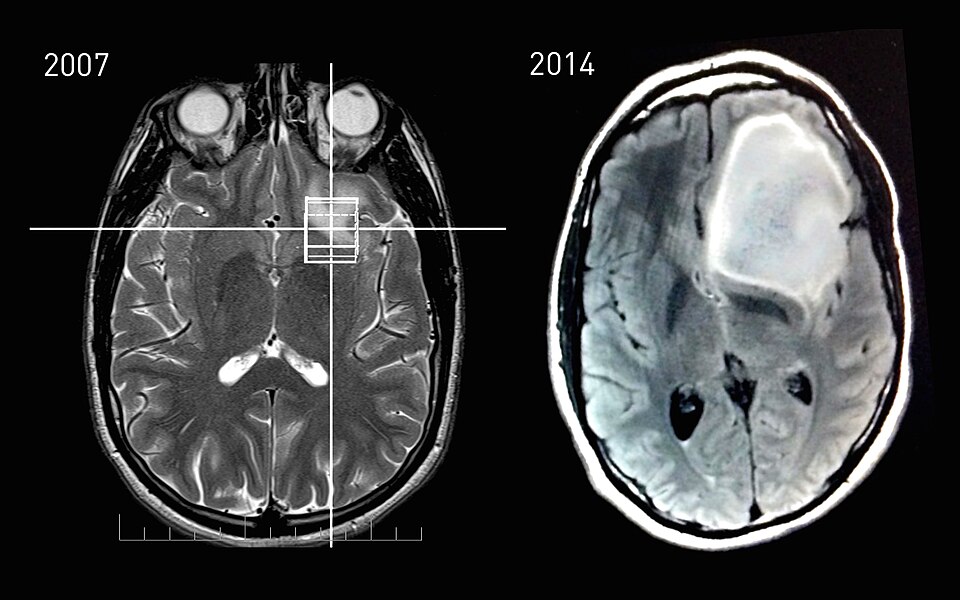
The emergence of artificial intelligence tools capable of detecting cognitive decline at earlier stages represents a meaningful advancement in preventive neurology. However, this technological capability has inadvertently exposed a critical organizational gap: most health systems lack the operational infrastructure to act meaningfully on these early warnings.
The clinical value proposition is straightforward. AI algorithms trained on neuropsychological data, imaging patterns, and biomarkers can identify subtle cognitive changes months or even years before patients or their physicians would typically notice them through standard screening. Earlier intervention theoretically allows for lifestyle modifications, pharmaceutical trials, and care planning conversations while patients retain greater autonomy and cognitive capacity. From a population health standpoint, this represents genuine progress.
Yet detection without action creates a different kind of risk. When an alert appears in an EHR flagging early-stage cognitive impairment, someone must decide what happens next. Is the patient notified? Does the primary care physician receive a notification, or does it languish in a dashboard? What specialist should evaluate the finding? How should results be communicated to patients and families? Who coordinates follow-up care? These questions demand answers before deployment, not after.
The Implementation Reality Gap
Health system leaders implementing cognitive decline detection AI are discovering that the clinical validation of an algorithm does not automatically translate into validated clinical workflows. A tool that demonstrates 87 percent sensitivity in a research setting means little if the health system cannot reliably route positive findings to appropriate specialists, many of whom already face appointment delays exceeding six months in most markets.
The legal and ethical implications extend beyond logistics. Health systems now face potential liability for false negatives—patients who were not flagged—but also for false positives that trigger unnecessary specialist referrals, additional testing, and patient anxiety. More subtly, there is the liability of early knowledge itself. Once a patient is informed of potential cognitive decline, even mild or uncertain findings, expectations shift. Patients expect coordinated care pathways, specialist access, and clear next steps.
Vendors marketing cognitive decline detection solutions have successfully emphasized sensitivity and specificity, but many have underemphasized the operational requirements. Health systems purchasing these tools often discover too late that implementation requires cross-departmental coordination: primary care, neurology, geriatrics, care management, patient communications, and potentially long-term care planning services.
Forward-thinking health systems are establishing accountability frameworks before deployment. This includes defining which patients warrant screening, establishing explicit communication protocols for positive findings, securing specialist capacity commitments, and developing standardized assessment pathways. Some organizations are pairing AI deployment with care management augmentation, ensuring that alerts trigger human outreach rather than automated notifications alone.
This represents a maturation of how health systems approach clinical AI. The technology is advancing faster than organizational readiness, creating windows of vulnerability. Leaders should view cognitive decline detection not as a standalone diagnostic tool but as the entry point to a comprehensive clinical pathway that begins long before the algorithm runs and extends well beyond the alert.
The question health system executives must ask is not whether their organization can deploy cognitive decline AI, but whether it can commit to the accountability that early detection demands. Without that commitment, these sophisticated algorithms become sophisticated sources of liability rather than clinical value.
Reporting basis: medcitynews.com. Analysis by the HTC editorial desk.