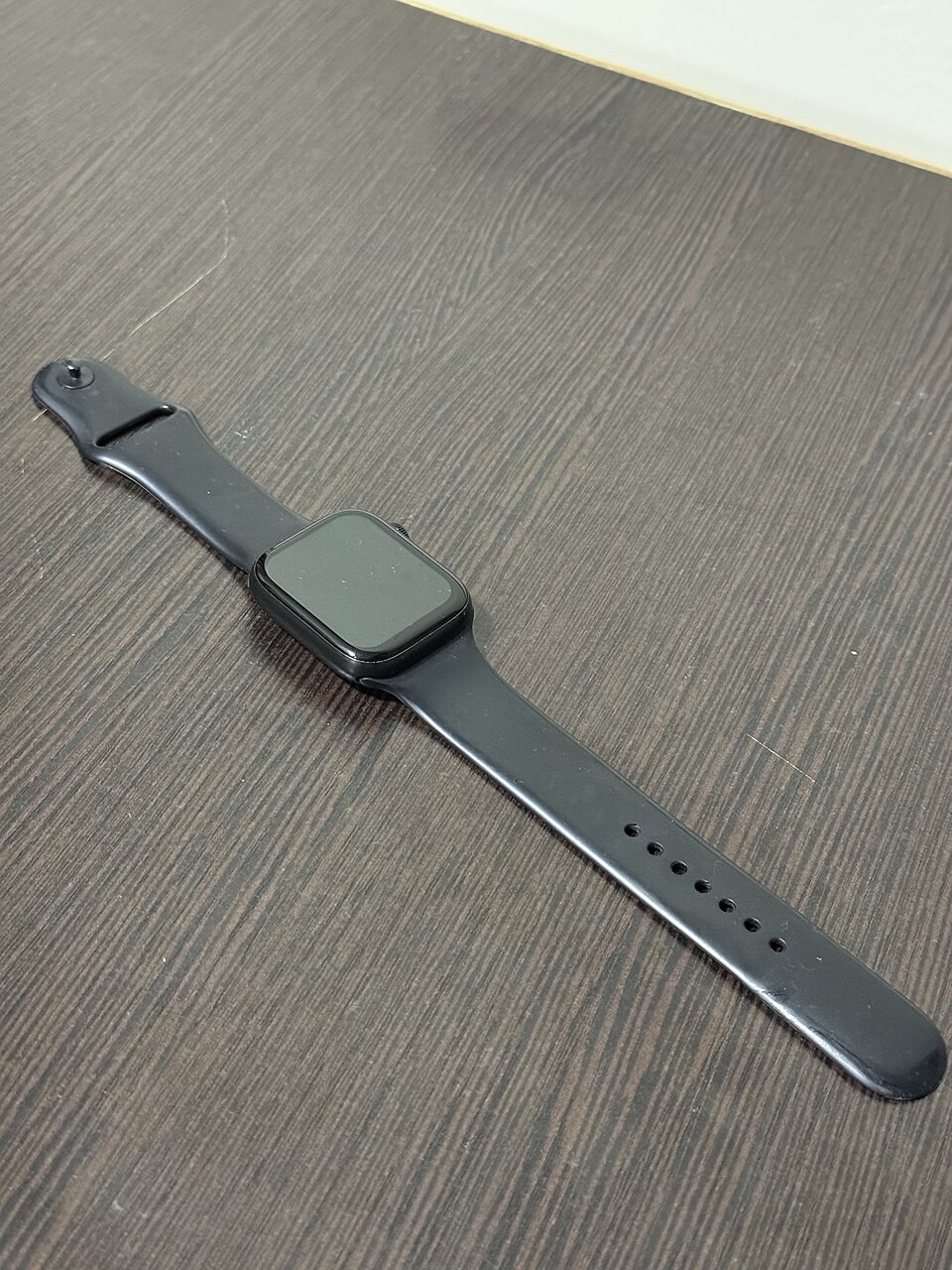
The FDA's clearance of Kneu Health's Apple Watch application represents a meaningful inflection point in how health systems can approach chronic neurological disease management. By enabling continuous, passive measurement of Parkinson's disease symptoms directly from a consumer wearable device, the clearance opens new possibilities for remote monitoring that extends clinical oversight beyond traditional office visits.
For health system leaders, the development carries immediate operational implications. Parkinson's disease management has historically relied on periodic clinical assessments, often separated by months, during which symptom severity and medication efficacy can fluctuate significantly. A 24/7 monitoring capability could fundamentally change this cadence, enabling clinicians to detect subtle changes in tremor patterns and dyskinesia progression in real time rather than relying on patient recall or in-office examinations. This shift from episodic to continuous observation may improve treatment optimization and potentially reduce hospitalizations or emergency interventions triggered by sudden symptom exacerbation.
The dyskinesia tracking component deserves particular attention from a clinical workflow perspective. Dyskinesia—involuntary movements that frequently emerge as a side effect of long-term levodopa therapy—represents one of the most challenging complications in Parkinson's management. Quantifying dyskinesia severity typically requires subjective clinician assessment or labor-intensive video analysis. An automated wearable-based measurement could provide objective, longitudinal data that informs medication adjustments and helps health systems rationalize treatment protocols across patient populations.
Market and Vendor Implications
For healthcare technology vendors, this clearance validates a broader thesis that consumer-grade wearables can serve clinical monitoring functions when paired with FDA-cleared analytics software. Apple Watch penetration in the U.S. exceeds 30 million units, creating an installed base that doesn't require separate device procurement—a significant advantage over specialized medical wearables that demand new capital investment and patient compliance burden. Kneu Health's approach suggests a viable commercialization model that leverages ubiquitous consumer hardware to deliver regulated clinical capabilities.
The clearance also intensifies competitive dynamics in remote patient monitoring. Established RPM vendors focused on cardiometabolic conditions may face pressure to expand into neurodegenerative disease categories where continuous monitoring adds clear clinical value. Meanwhile, specialized neurological technology firms will need to differentiate on analytical depth, integration with electronic health records, and clinical outcomes data rather than relying solely on hardware novelty.
Health system procurement teams should consider several factors as they evaluate adoption. Integration pathways with existing EHR systems will be critical for operationalization—passive wearable data has limited utility if it remains siloed in proprietary platforms. Reimbursement landscape remains uncertain; while remote patient monitoring codes exist, payers have been cautious about expanding coverage for device-based monitoring without clear evidence of cost-effectiveness and improved outcomes.
The Kneu Health clearance also raises important questions about data governance and patient privacy. Continuous neurological monitoring generates sensitive biometric data that health systems must secure and manage responsibly, particularly given increasing cybersecurity threats targeting healthcare organizations.
Ultimately, this FDA decision reflects the healthcare industry's broader evolution toward decentralized care delivery and continuous health monitoring. For health systems and vendors ready to integrate wearable-based insights into clinical workflows, the opportunity to improve Parkinson's management represents both a clinical win and a competitive advantage in increasingly crowded remote monitoring markets.
Reporting basis: hitconsultant.net. Analysis by the HTC editorial desk.