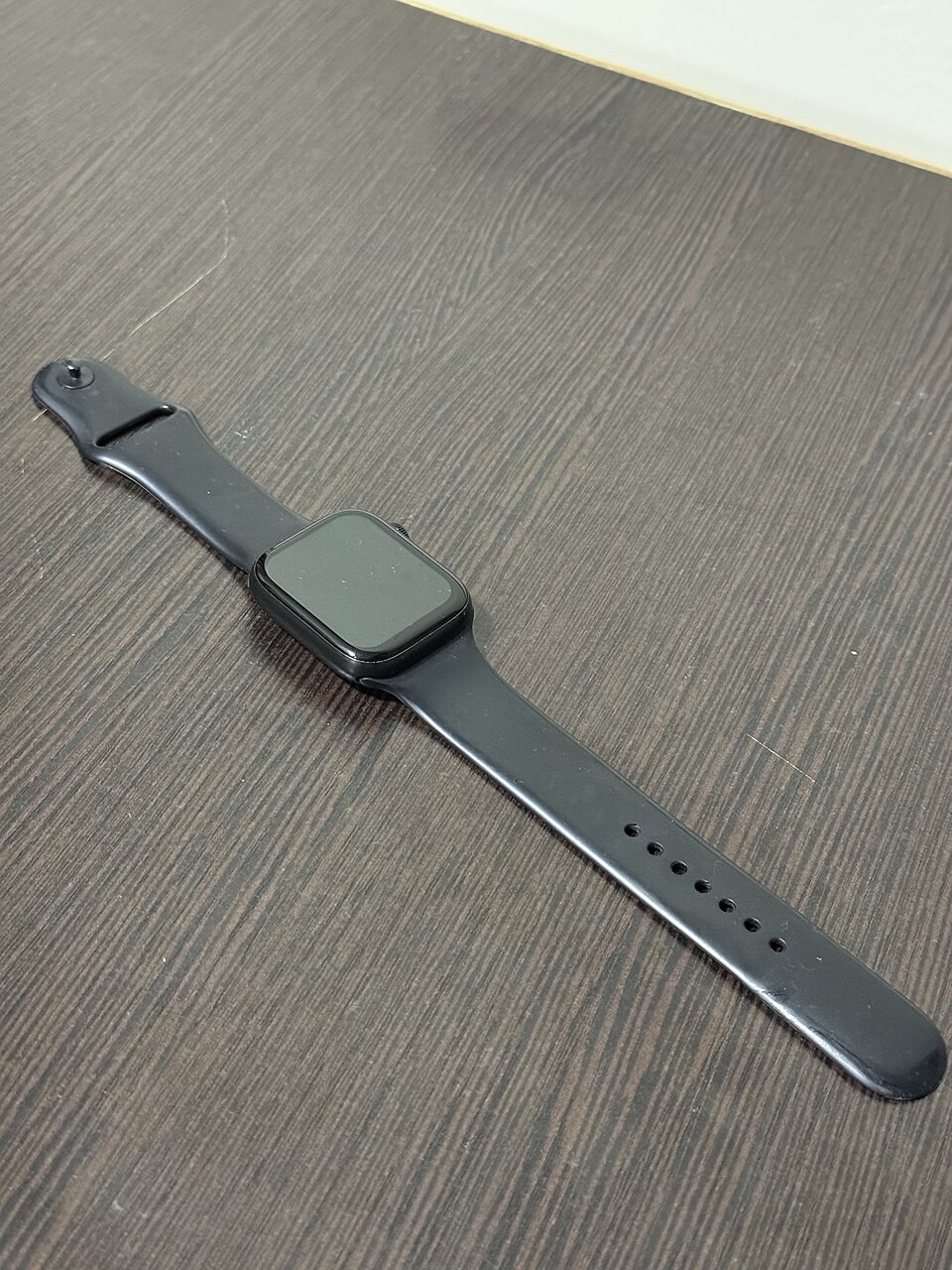
The growing emphasis on smartwatch health sensor validation signals a pivotal inflection point for the healthcare technology landscape. Independent testing and public recommendation of wearable devices based on sensor performance metrics reflects an industry maturation that has profound implications for health system leaders navigating digital health integration decisions.
For years, smartwatches and fitness trackers occupied a gray zone in healthcare—consumer gadgets with acknowledged limitations that nonetheless generated health data patients expected clinicians to understand and potentially act upon. The emergence of rigorous third-party sensor validation represents a shift toward accountability. When technology reviewers now systematically evaluate heart rate accuracy, blood oxygen measurement reliability, and other biometric outputs, they effectively create benchmarks that health systems and regulators increasingly reference when considering device adoption.
The Integration Challenge Ahead
Health system executives must now contend with a more complex procurement landscape. Rather than wholesale dismissal of consumer wearables as insufficiently clinical, IT and clinical leadership teams must evaluate which validated devices might safely integrate into existing EHR ecosystems. This requires new governance frameworks around data quality thresholds, clinical validation standards, and interoperability requirements.
The tension is real: patients already own these devices and generate health data independently. Healthcare organizations can either ignore this data stream or develop protocols to ingest, validate, and act upon it within clinical workflows. Organizations that dismiss consumer wearables entirely risk disconnecting from patient-generated health information that could inform chronic disease management, post-acute care monitoring, or preventive health strategies.
Vendors developing enterprise health platforms face similar pressures. Integration capabilities for validated consumer wearables are rapidly becoming table-stakes features rather than competitive differentiators. Platforms that can normalize data from multiple device manufacturers, flag anomalies requiring clinical review, and maintain audit trails for regulatory compliance will gain adoption advantages.
The validation movement also raises competitive dynamics among device manufacturers. Smartwatch makers now compete not just on features and aesthetics but on measurable sensor accuracy validated by external reviewers. This commoditization of sensor performance may accelerate device innovation cycles while simultaneously increasing price pressure in the consumer segment.
Regulatory bodies are watching this validation trend carefully. FDA clearance for specific wearable functionalities remains inconsistent and fragmented. However, widespread independent validation of consumer devices may eventually inform regulatory pathways, potentially leading to streamlined approval processes for devices meeting established performance benchmarks rather than requiring case-by-case clinical evidence generation.
For health IT vendors, the imperative is clear: assume validated consumer wearables will proliferate in clinical settings and build infrastructure accordingly. This means developing standards-based integration layers, establishing data governance policies that accommodate variable sensor reliability, and creating clinical decision support tools that appropriately weight wearable inputs versus traditional vital sign measurements.
The broader significance extends beyond any single device or manufacturer. Independent validation of consumer health sensors legitimizes wearable technology as a clinical information source, accelerating the shift toward continuous, patient-centered health monitoring. This transformation carries enormous potential for chronic disease management, early warning detection, and care personalization—but only if health systems develop the operational capacity to responsibly integrate and act on this data.
Health system leaders should view this validation trend as a catalyst for developing comprehensive wearable data strategies rather than treating validated devices as isolated solutions. The question is no longer whether consumer wearables belong in clinical care, but how to safely operationalize them.
Reporting basis: Hindustan Times. Analysis by the HTC editorial desk.