The medtech industry's largest annual gathering in Boston this week underscored a sector at an inflection point. As more than 4,000 professionals converged for AdvaMed's The MedTech Conference, three interconnected themes emerged: the accelerating integration of artificial intelligence into medical devices, heightened focus on cybersecurity vulnerabilities, and continued consolidation through mergers and acquisitions. Together, these discussions paint a picture of an industry grappling with both unprecedented opportunity and substantial risk.
The prominence of AI on conference agendas reflects a fundamental shift in how medtech companies view competitive advantage. Unlike previous years when AI was positioned as a future consideration, this year's dialogue centered on deployment timelines and clinical validation pathways. This acceleration matters because it signals that medtech leaders have moved past theoretical debates and are now focused on practical implementation challenges. Health system executives should note that the pace of AI adoption will likely outstrip their current infrastructure readiness, particularly regarding data governance and integration with existing EHR systems.
Cybersecurity Takes Center Stage Amid Rising Threats
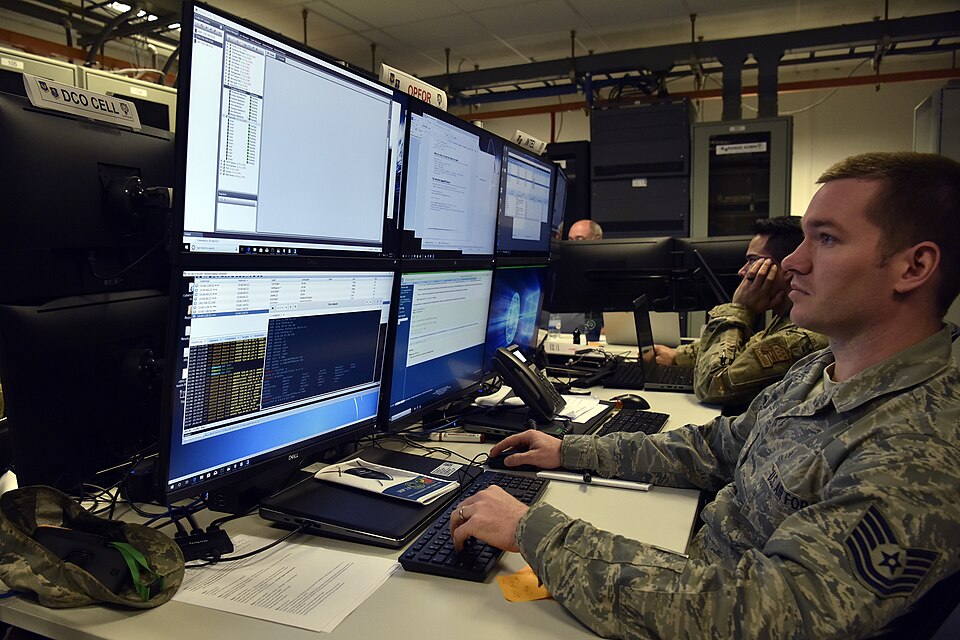
The concurrent emphasis on cybersecurity at a medtech conference reflects a maturing industry response to an increasingly hostile threat landscape. Connected medical devices have become attractive targets for threat actors, and the convergence of AI with connected devices creates new attack surfaces that many organizations are unprepared to defend. For health system CIOs and chief medical information officers, this means vendor selection criteria must now include rigorous cybersecurity assessments and continuous monitoring capabilities—not as differentiators, but as table stakes. The industry's collective focus on this challenge suggests that major regulatory frameworks and procurement standards will soon require more stringent security documentation from vendors.
Notably, the cybersecurity discussion extends beyond traditional IT boundaries. Clinical engineering teams, traditionally focused on device maintenance and troubleshooting, are increasingly being pulled into security governance conversations. This organizational shift within health systems will likely accelerate given the industry-wide acknowledgment of cybersecurity's clinical importance.
The M&A activity and consolidation discussions at the conference reflect another critical trend: smaller medtech companies face mounting pressure to demonstrate differentiation or face acquisition by larger players betting on AI-enabled platforms. For health system leaders, this consolidation could mean fewer best-of-breed point solutions and more pressure to commit to integrated vendor ecosystems. While consolidation can streamline procurement and reduce training burdens, it may also limit future flexibility and increase vendor dependency.
The convergence of these three trends—AI adoption, cybersecurity imperative, and industry consolidation—creates distinct implications for different stakeholder groups. Vendors must simultaneously invest in AI capabilities, robust security infrastructure, and acquisition-readiness. Health systems need to accelerate their digital maturity roadmaps while establishing clearer security requirements and relationship models with consolidated vendors.
What's particularly significant is that these challenges are no longer siloed. A medtech company's ability to secure funding for AI development increasingly depends on demonstrating cybersecurity rigor. A health system's ability to realize AI benefits depends on vendors' consolidation strategies and integration approaches. The industry appears to recognize that solving for one variable while ignoring the others creates systemic risk.
For health system leaders monitoring these developments, the Boston conference signals that the medtech landscape will look materially different within 18-24 months. Budget cycles, vendor negotiations, and technology roadmaps should account for accelerated AI timelines, elevated security requirements, and a smaller roster of larger, more vertically integrated vendors dominating the market.
Reporting basis: medtechdive.com. Analysis by the HTC editorial desk.