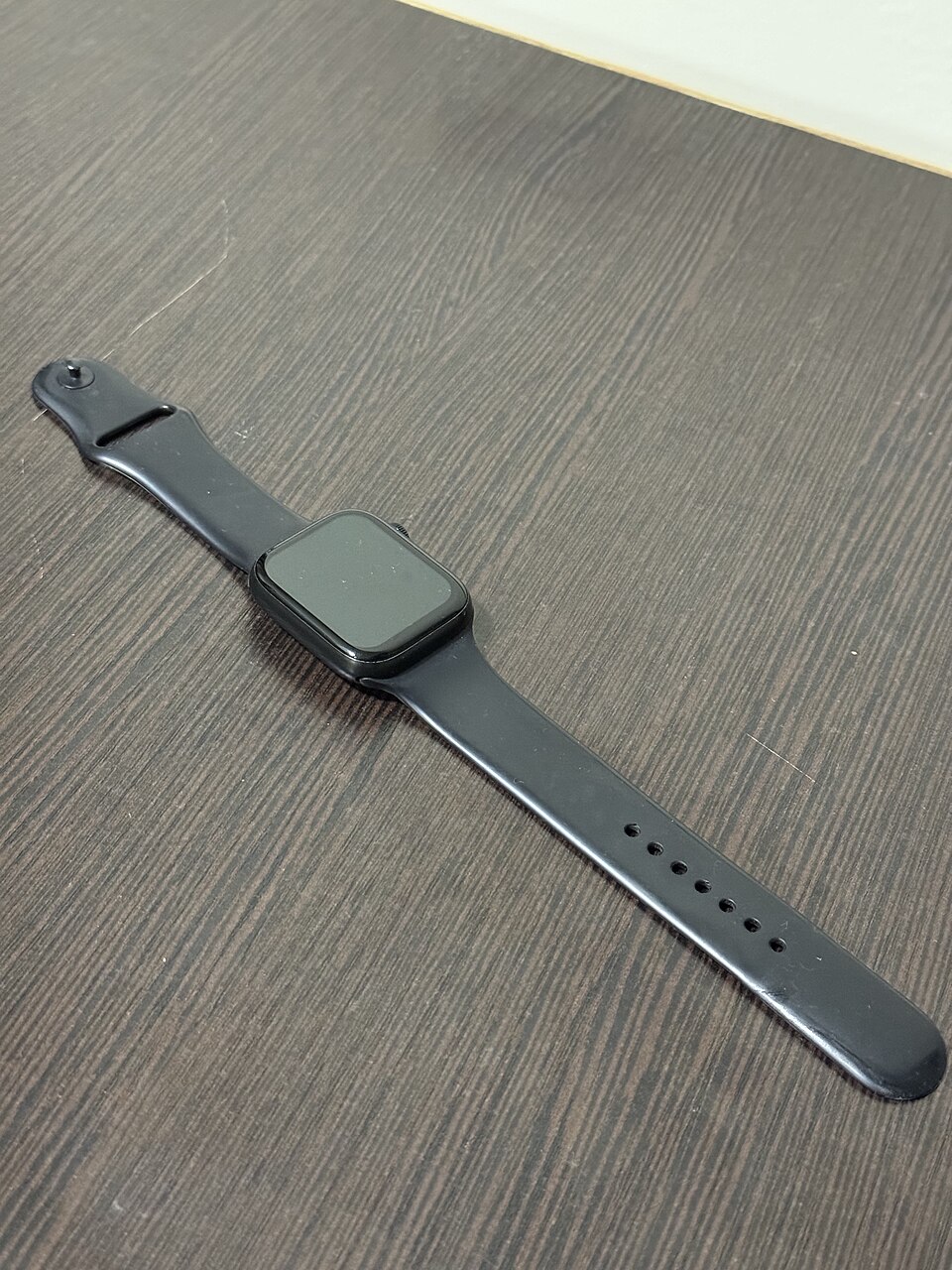
Noom's planned 2027 wearable launch represents a strategic inflection point for digital obesity care, signaling that software-first behavioral interventions alone may no longer satisfy market expectations or clinical requirements. The digital health company's expansion into hardware territory underscores a broader industry recognition that weight management and metabolic health require real-time data feedback loops beyond occasional app-based logging.
For health system leaders evaluating obesity care programs, Noom's move raises important questions about technology integration complexity and clinical outcomes measurement. Historically, Noom built its reputation on psychological coaching and habit-change methodology delivered through mobile apps, deliberately avoiding the hardware entanglement that plagued earlier digital health ventures. That strategic pivot suggests the company believes wearable data—continuous heart rate, sleep patterns, activity levels, and stress indicators—now provides competitive differentiation and superior engagement metrics that standalone software cannot achieve.
The wearable's introduction also reflects payer and employer pressure to demonstrate measurable clinical impact. Health systems increasingly face scrutiny over obesity program ROI, with insurers demanding evidence that digital interventions produce sustained weight loss and reduced comorbidity progression. A device that passively collects metabolic data while users receive personalized coaching could theoretically strengthen clinical validation claims and support outcomes-based reimbursement models that payers increasingly demand.
What This Means for Vendor Competition
Noom's hardware strategy signals intensifying competition with established players like Apple Health and Fitbit-owner Google, which have embedded obesity management features into consumer ecosystems. By developing proprietary wearables, Noom seeks to control the full data pipeline—from collection through coaching recommendation—rather than integrating with third-party devices. This vertical integration approach mirrors strategies deployed by incumbent digital therapeutics vendors seeking to reduce dependency on platform partnerships and strengthen customer lock-in.
However, health system technology leaders should carefully assess whether proprietary hardware accelerates or complicates interoperability goals. EHR integration remains a critical pain point for most obesity programs, particularly when coordinating between primary care, behavioral health, and specialty practices. A Noom wearable that seamlessly syncs metabolic data into existing clinical workflows could enhance adoption. Conversely, closed-loop systems that require parallel data management create friction that hospital IT teams typically resist.
The timing also matters. As GLP-1 receptor agonists like semaglutide and tirzepatide expand obesity treatment options, digital platforms face pressure to prove they add value beyond pharmacotherapy. Wearables could serve as engagement tools and compliance monitors for patients on pharmaceutical obesity management, particularly during titration phases when frequent metabolic monitoring helps optimize outcomes. Health systems piloting integrated medical-behavioral obesity programs may view Noom's hardware as a tool to increase touch points and adherence tracking.
For vendors already embedded in health systems, Noom's wearable launch signals the need to strengthen clinical integration and outcomes documentation. Generic fitness trackers no longer suffice; payers increasingly expect solutions purpose-built for therapeutic weight management with clinician dashboards, predictive analytics, and clear ROI documentation.
Ultimately, Noom's wearable represents the maturing of digital obesity care from consumer health gadgetry to clinical-grade monitoring infrastructure. Health system leaders should monitor whether the 2027 launch succeeds in bridging that gap, particularly regarding EHR connectivity, payer coverage, and demonstrated superior outcomes compared to software-only or hardware-only alternatives.
Reporting basis: medcitynews.com. Analysis by the HTC editorial desk.