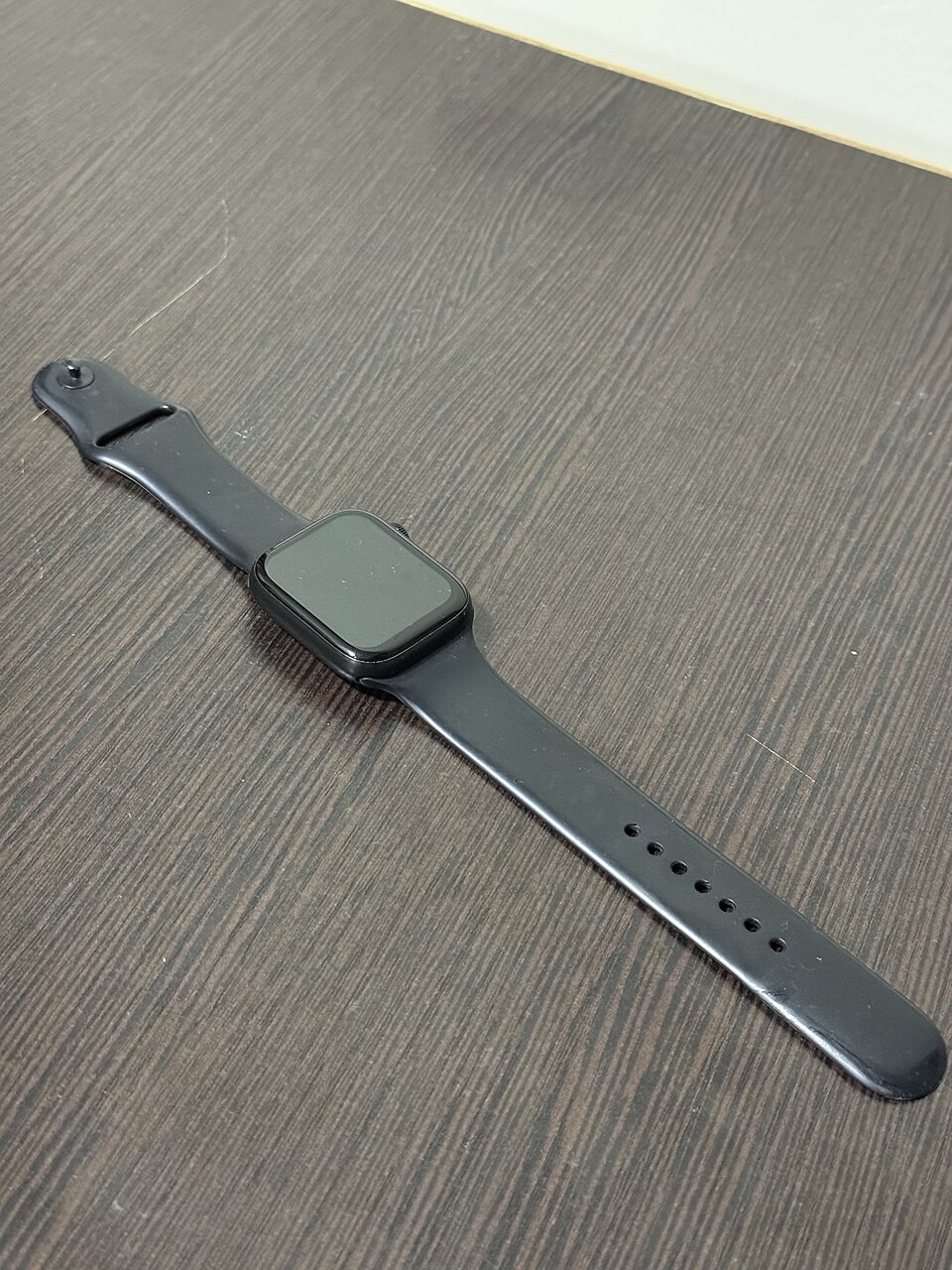
Samsung's newest generation of smartwatches represents a significant inflection point in the consumer health technology market, one that should command the attention of health system leaders and digital health strategists. The Galaxy Watch9 and Watch Ultra2, equipped with expanded AI-driven health monitoring features, underscore how rapidly consumer technology companies are moving to bridge the gap between personal wellness tracking and clinically relevant data capture.
The emphasis on accuracy testing and AI-enhanced health insights in Samsung's latest offerings reflects an industry-wide recognition that consumer wearables can no longer be dismissed as mere fitness gadgets. As these devices incorporate more sophisticated algorithms for tracking cardiovascular health, sleep patterns, and other metrics, they're increasingly positioned as potential data sources for medical decision-making. This shift has profound implications for healthcare organizations struggling to unlock patient-generated health data while managing the fragmentation caused by dozens of competing platforms.
The Clinical Validation Challenge
What makes Samsung's approach noteworthy is the apparent focus on accuracy validation—a metric that matters tremendously to health systems considering wearable integration. Healthcare providers have historically been skeptical of consumer wearables due to inconsistent data quality and lack of clinical validation. However, as major manufacturers invest in rigorous testing protocols and AI capabilities, this skepticism is gradually eroding. The question is no longer whether wearables can capture data, but whether that data meets medical-grade standards.
For health system leaders, this development creates both opportunity and complexity. Wearables from mainstream manufacturers like Samsung offer several advantages: high consumer adoption rates, established ecosystems, and increasingly sophisticated health monitoring capabilities. Patients already own these devices, making them natural candidates for remote patient monitoring programs. Yet integrating data from multiple consumer platforms into electronic health records remains technically challenging and organizationally cumbersome.
The AI features embedded in these watches are particularly significant. Machine learning algorithms can identify patterns in health data that might escape human observation, potentially flagging early warning signs of deterioration or disease progression. For chronic disease management and post-acute care monitoring, this capability could reduce hospital readmissions and improve outcomes. However, health systems must carefully evaluate how these proprietary algorithms perform across diverse patient populations and clinical scenarios.
Vendors in the digital health space are watching these developments closely. Companies providing interoperability platforms, remote monitoring solutions, and data analytics tools are positioning themselves to bridge the gap between consumer devices and healthcare infrastructure. The companies that can successfully translate Samsung's health data into actionable clinical insights while addressing privacy, security, and regulatory requirements stand to capture significant market opportunity.
The broader implication is that health systems can no longer afford to ignore consumer wearables. Rather than trying to compete with or exclude them, forward-thinking organizations are developing strategies to harness these devices as part of comprehensive digital health ecosystems. This requires investment in integration infrastructure, staff training, and new clinical workflows that treat patient-generated data as a legitimate clinical input.
Samsung's commitment to health tracking accuracy and AI innovation signals that the consumer wearables market is maturing beyond lifestyle gadgetry. Health systems that begin planning now for thoughtful wearable integration—rather than waiting for mandates or competitive pressure—will be better positioned to leverage this technology's clinical potential while maintaining standards for data quality and patient privacy.
Reporting basis: Hindustan Times. Analysis by the HTC editorial desk.