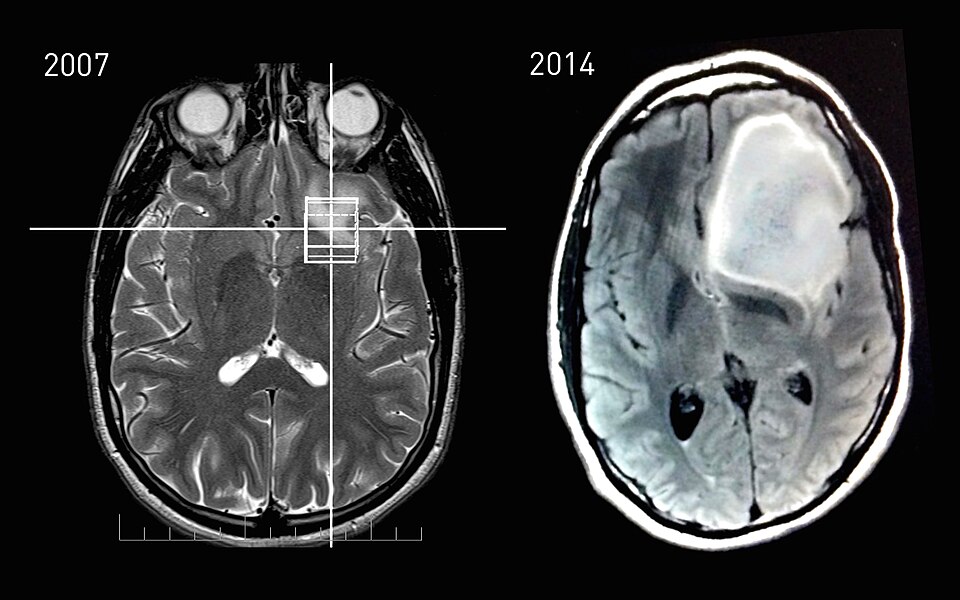
The fact that healthcare artificial intelligence has become holiday conversation fodder signals a fundamental shift in how the general public views clinical technology. What was once confined to IT departments and medical informatics conferences is now mainstream enough to spark debate across family dinner tables—and that matters significantly for health system leaders and healthcare technology vendors preparing their 2027 roadmaps.
This cultural moment represents the intersection of several converging forces in healthcare technology. Consumer awareness of AI applications in medicine has reached a tipping point, driven by high-profile implementations, regulatory developments, and growing concerns about algorithmic bias and clinical decision-making. Health system executives can no longer treat AI adoption as a purely technical initiative; it's now a strategic communications challenge with organizational, legal, and reputational dimensions.
What This Means for Health System Leadership
For hospital systems and integrated delivery networks, this shift in public awareness demands a more sophisticated approach to AI implementation and change management. When patients, their families, and community members are already discussing healthcare AI over the holidays, they arrive at clinical encounters with preformed opinions, concerns, and expectations. Health systems that haven't developed clear narratives about how and why they're deploying AI risk being blindsided by patient skepticism or informed consent complications.
The timing also forces a reckoning with transparency and trust-building. Healthcare leaders must now consider whether their AI implementations can withstand public scrutiny, not just regulatory compliance. This includes being prepared to explain model validation, addressing bias concerns, and demonstrating clear clinical benefit—conversations that should happen before algorithms reach the bedside, not after.
Organizations that position themselves as thoughtful stewards of AI adoption, rather than aggressive early adopters chasing innovation hype, may find themselves at a competitive advantage in recruitment, reputation, and patient satisfaction metrics. The holiday conversation starter phenomenon suggests the market is ready for health systems that can articulate a measured, ethically grounded AI strategy.
For technology vendors, this cultural moment presents both opportunity and risk. Vendors whose solutions can be easily explained and justified by busy clinicians to concerned patients have a marketing advantage. Those peddling complex black-box algorithms without clear use cases or validation may face more resistance in purchasing committees influenced by board members who've discussed AI ethics at family gatherings.
The conversation starter angle also hints at a maturation cycle in healthcare AI adoption. Early-stage hype has given way to nuanced public discussion about implementation realities, limitations, and ethical considerations. This suggests that purchasing decisions in 2027 and beyond will reflect more sophisticated stakeholder understanding and potentially higher bars for evidence of clinical utility.
Ultimately, the emergence of healthcare AI as holiday conversation indicates that health system leaders and vendors can no longer operate in isolation from public sentiment. The window for shaping this narrative is narrowing. Organizations that use this moment to build transparent, evidence-based AI strategies—and communicate them clearly to multiple stakeholders—will be better positioned for sustainable adoption. Those that resist this shift toward transparency may find themselves facing organizational resistance from multiple directions simultaneously.
Reporting basis: statnews.com. Analysis by the HTC editorial desk.