The brain-computer interface market has captured healthcare's imagination with headlines about restored mobility, decoded neural signals, and FDA milestones. Yet while technology companies compete fiercely on invasiveness, signal fidelity, and processing speed, hospital systems and payers are quietly engaging in a parallel competition that may ultimately determine which BCI platforms become standard clinical tools versus expensive research curiosities.
The visibility asymmetry is striking. When a major BCI vendor announces a successful implant or achieves regulatory clearance, the healthcare industry watches closely. These moments matter—they represent genuine technical progress. However, the unglamorous work happening in parallel carries equal weight for health system leaders: establishing reimbursement pathways, integrating devices into existing electronic health record ecosystems, training clinical and rehabilitation staff, and building the infrastructure to support long-term patient monitoring and device maintenance.
The Integration Challenge Nobody is Racing to Solve
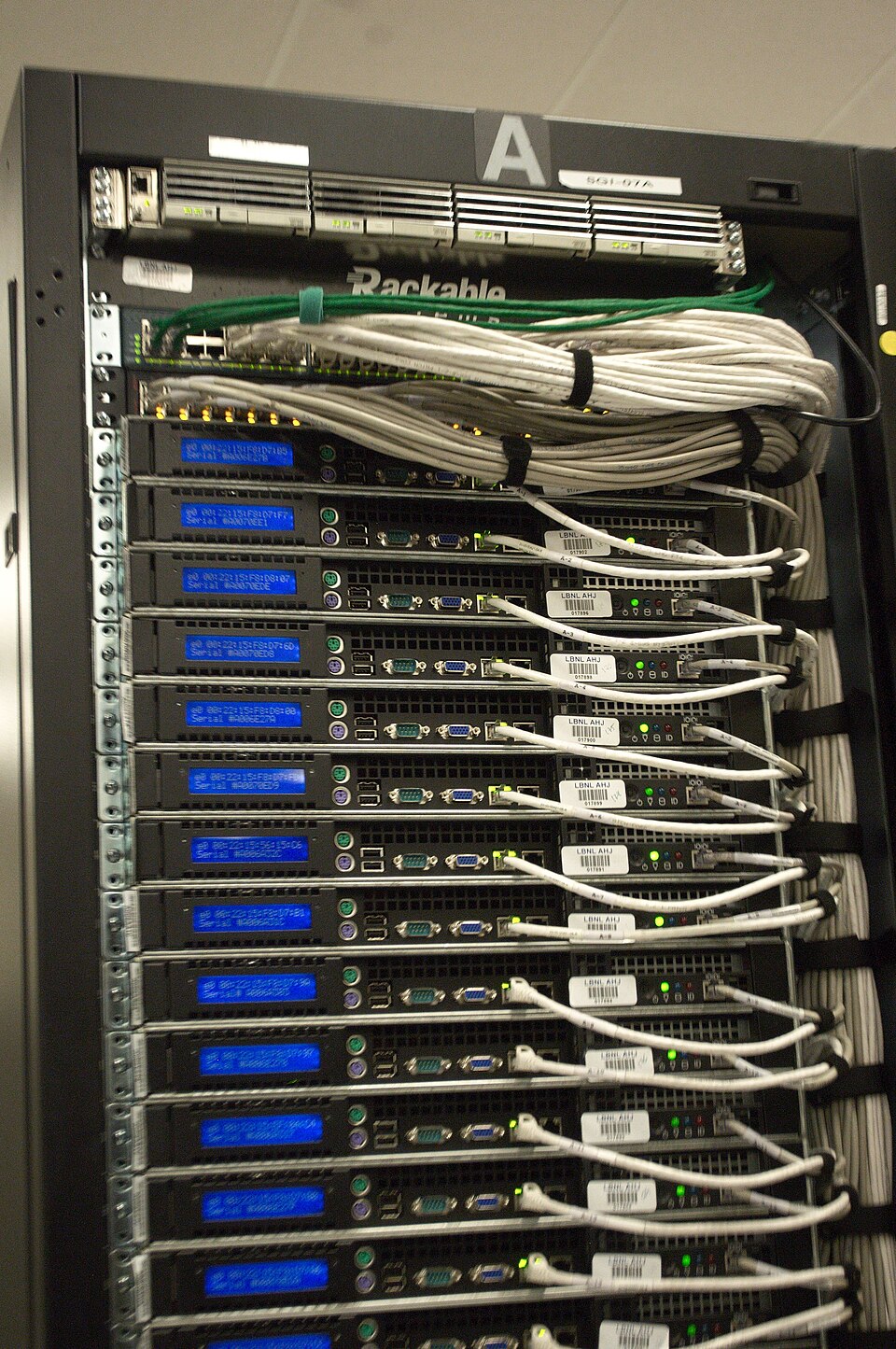
Consider integration complexity. A neurosurgical implant is only clinically useful if signals can flow seamlessly into clinical workflows that physicians already understand. Yet most BCI platforms operate on proprietary software stacks that don't communicate naturally with the hospital IT infrastructure health systems have spent decades building. The vendor racing to achieve the fastest neural decoding speed gains little advantage if their device requires a completely separate data ecosystem that administrators must maintain, support, and secure.
This is where the second race matters most. Health systems are collectively evaluating which BCI platforms justify the IT overhead, training investment, and workflow redesign. Some vendors are winning this race by prioritizing integration, offering FHIR-compliant APIs, and working with established EHR vendors early. Others, focused entirely on the clinical performance metrics that earn press coverage, are creating barriers to adoption that may never appear in a clinical trial.
Reimbursement represents another decisive arena. The FDA may clear a device, but Medicare, Medicaid, and commercial payers must separately establish coverage criteria and payment rates. Health systems are already investing resources to understand and influence these conversations. Vendors competing effectively here—by partnering with health economists, publishing real-world outcomes data, and helping payers understand workflow impacts—may secure adoption advantages that pure technical superiority cannot overcome.
Similarly, clinician adoption patterns differ markedly from vendor assumptions. The neurosurgeon who performs implantation represents only one stakeholder. Rehabilitation specialists, neurologists, occupational therapists, and care coordinators all determine whether a BCI platform becomes routine versus relegated to specialized centers. Vendors investing in multi-disciplinary training and clinical decision-support tools are positioning differently than those assuming the implanting surgeon controls adoption.
For health system leaders, this analysis suggests several priorities. First, evaluate BCI vendors not only on published clinical performance but on their integration roadmap and EHR partnerships. Second, engage early with payers to understand reimbursement trajectories—this timeline often surprises hospital administrators. Third, assess the full clinical team's readiness, not just neurosurgery. The BCI platform that requires less workflow disruption and integrates with existing systems may deliver superior real-world outcomes, even if benchmark studies show marginally lower decoding accuracy.
The technology race will continue capturing headlines because innovation breakthroughs are genuinely important. But the standardization race—integration, reimbursement, workflow adoption, and clinical team buy-in—will ultimately determine which platforms generate sustainable revenue, which health systems move beyond pilot programs, and which vendors become infrastructure providers versus funded startups.
The most sophisticated neural interface means little if it sits isolated, unreimbursed, and incompatible with the hospital systems that must adopt it.
Reporting basis: medcitynews.com. Analysis by the HTC editorial desk.