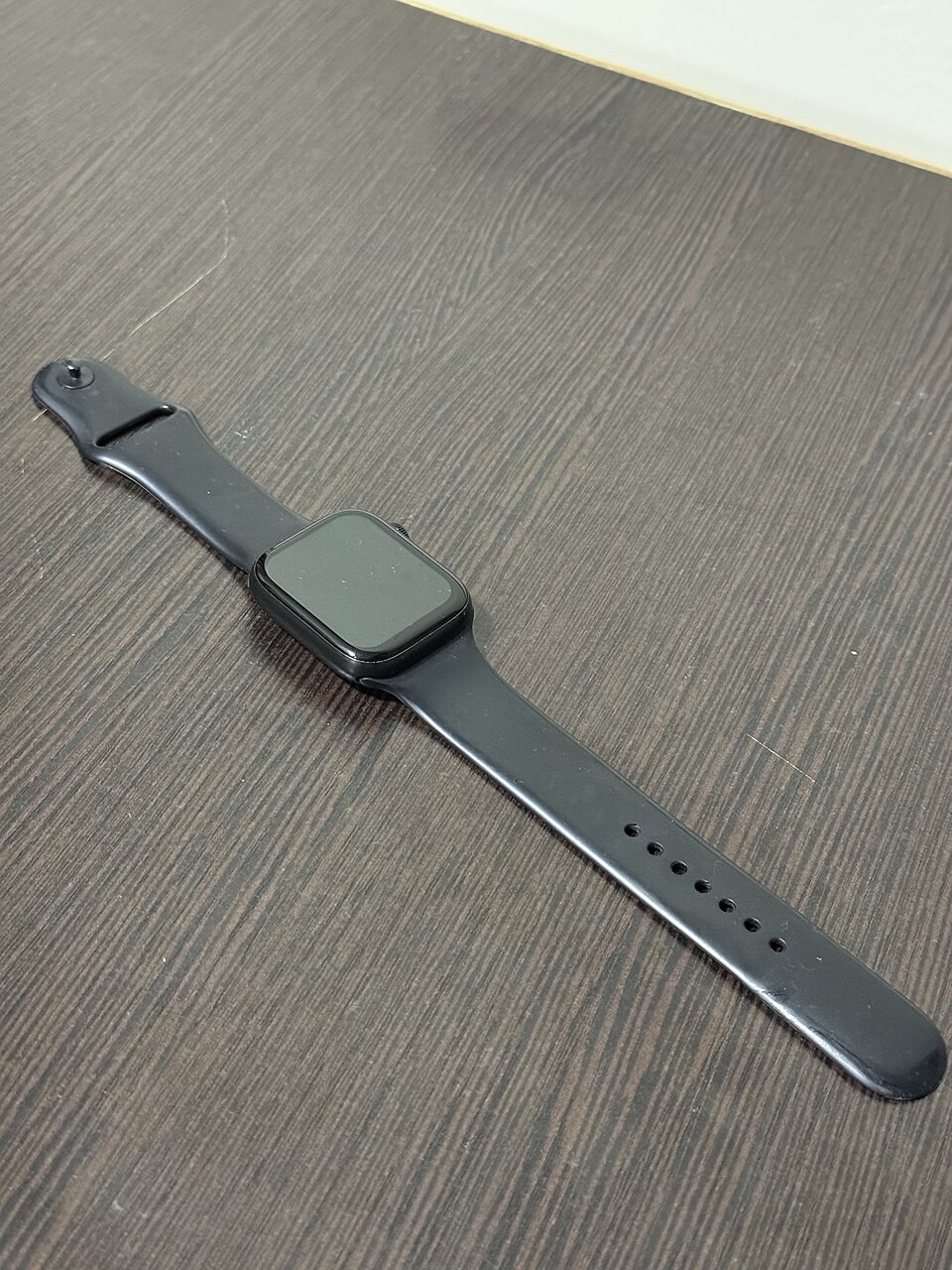
The healthcare industry stands at an inflection point with wearable technology. What began as consumer fitness trackers monitoring steps and heart rate has evolved into sophisticated devices generating clinically relevant data—forcing health system leaders and vendors to fundamentally rethink how these tools fit into care delivery models.
The growing prominence of wearables discussions at major industry conferences like INVEST Digital Health signals a maturing recognition that consumer devices are no longer peripheral to healthcare. Rather, they represent a significant data source that clinical teams increasingly expect to access and act upon. This shift creates both opportunities and substantial challenges for health system leadership.
The Clinical Data Challenge
The primary tension health leaders face involves data validation and clinical utility. Consumer wearables collect vastly different types of data than traditional medical devices, and the clinical evidence base for acting on this information remains inconsistent. A smartwatch might detect irregular heart rhythms, but health systems must determine whether that signal warrants clinical intervention, referral, or simply patient notification. This uncertainty creates liability concerns for organizations integrating unvalidated data into clinical decision-making.
Interoperability compounds these challenges. Most wearable manufacturers maintain proprietary data ecosystems, making it difficult for health systems to aggregate information across multiple devices into unified patient records. EHR vendors are beginning to address this gap, but standardization remains incomplete. Health leaders investing in wearable integration strategies must account for ongoing technical debt and the possibility of vendor lock-in.
The economics of wearable integration also merit attention. Unlike traditional medical devices subject to FDA oversight and reimbursement frameworks, consumer wearables operate in a regulatory gray zone. Health systems must determine who bears the cost of device provision, data management, and clinical response protocols—questions without clear answers in current reimbursement models.
Technology vendors, meanwhile, face pressure to make wearable data clinically actionable while managing liability exposure. Companies developing wearable integration platforms must balance innovation with validation, offering tools that meaningful engage clinical workflows without overpromising unproven capabilities.
Despite these obstacles, the strategic case for wearable integration strengthens as chronic disease management increasingly shifts toward remote monitoring and preventive care. Wearables provide continuous data streams that traditional episodic visits cannot capture, offering genuine advantages for conditions like heart failure, hypertension, and atrial fibrillation monitoring. Early adopters in health systems are demonstrating measurable outcomes in specific use cases, validating the technology's potential when properly implemented.
The consumer dimension adds another layer. Patients increasingly expect their health data to flow seamlessly across systems, including the wearables they already own. Health systems failing to accommodate this expectation risk appearing outdated and losing competitive advantage in patient acquisition and retention.
Forward-thinking health leaders should approach wearable integration strategically rather than reactively. This means establishing clear clinical governance frameworks defining which devices and data types merit integration, establishing validation standards, and determining appropriate clinical responses. Vendor partnerships should emphasize interoperability and data standards compliance.
The wearable evolution reflects a broader shift toward consumer-centric healthcare and continuous monitoring. Health systems that thoughtfully navigate integration challenges—rather than either rejecting the technology or adopting it uncritically—will position themselves advantageously as clinical practice increasingly extends beyond facility walls. The question is no longer whether wearables belong in healthcare, but how to implement them responsibly at scale.
Reporting basis: medcitynews.com. Analysis by the HTC editorial desk.